Chicago Burlesque History: From Vaudeville Stages to Modern Cabaret
Before diving into Chicago’s burlesque history, it helps to understand the art form itself. Burlesque began as satire and parody before evolving into a live performance tradition that blends comedy, costume, music, dance, cabaret, theatrical storytelling, and the art of the tease.
For a beginner-friendly overview, read our guide: What Is Burlesque?
Before skyscrapers and stockyards defined its skyline, Chicago established a theatrical tradition that would ripple across American entertainment.
In the late 1800s and early 1900s, the city’s theater district blossomed with vaudeville halls, music halls and cabarets. Variety performers, comedians, singers and acrobats trod these stages, while national burlesque circuits used the city as a major hub.
Prohibition and moral crusades tried to extinguish the nightlife, but burlesque and cabaret adapted, blending with jazz, blues, drag and speakeasy culture. After a mid‑20th‑century decline, a neo‑burlesque revival and a new generation of cabaret artists have recaptured the art form’s glamour and wit.
This article traces Chicago’s burlesque history—from its vaudeville roots through the censorious years and into today’s inclusive cabarets—using primary sources, historians and local archives.
Upcoming Burlesque Shows In Chicago
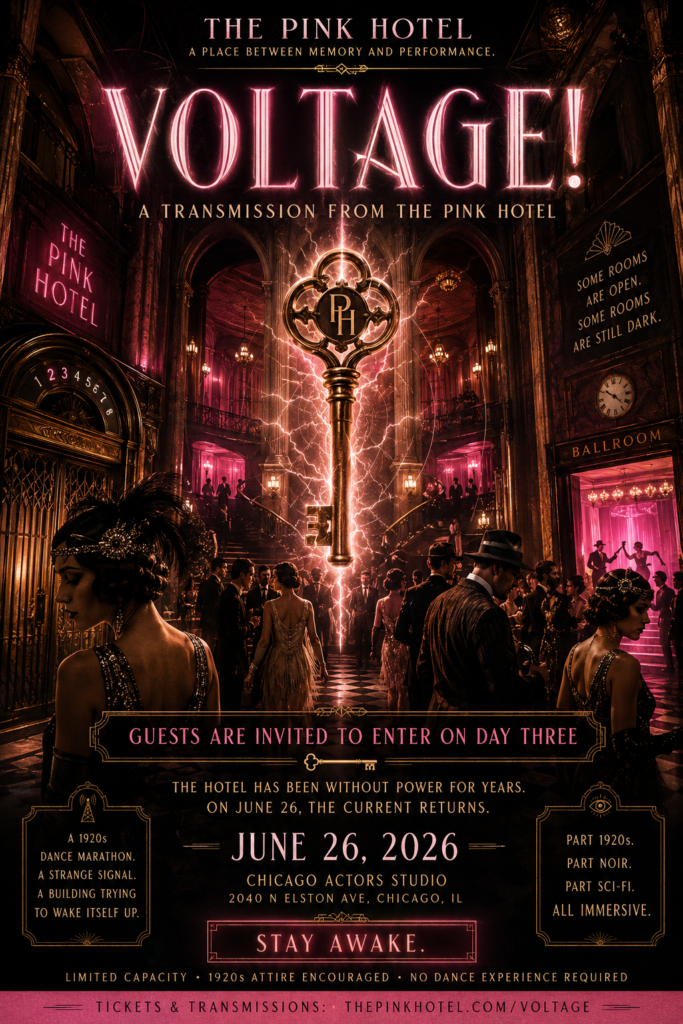
VOLTAGE!
A Secret 1920s Dance Marathon Inside The Pink Hotel
Friday, June 26 • Chicago Actors Studio
The lights are flickering.
The dancers haven’t slept.
The hotel is beginning to remember.
Voltage! is an immersive speakeasy cabaret where guests enter on Day Three of an impossible 1920s dance marathon. As the evening unfolds, time begins moving backward and the residents of The Pink Hotel reveal fragments of a larger story.
Featuring burlesque, dance, cabaret, immersive theater, live performance, and unexpected encounters throughout the evening.
Only 44 guests may enter.
Into the Shadow
An Immersive Femme Fatale Cabaret
Saturday, July 18 • Chicago Actors Studio

Step into the Shadow Room and explore the archetype that shaped film noir.
Part creative salon, part immersive cabaret, Into the Shadow invites audiences into an intimate evening of mystery, glamour, danger, and transformation.
Midnight Confession
A Film Noir Speakeasy Cabaret
Select Dates Returning Soon

A cinematic cabaret experience inspired by noir films, forbidden romances, and dangerous women.
Early variety and vaudeville in Chicago
A city of theaters
Chicago was already a theatrical center by the 1880s. The Chicago History Museum notes that since the late nineteenth century the city’s theaters hosted dance, music, opera and vaudeville alongside Shakespeare plays.
Newspapers counted more than 40 theaters by 1909, making Chicago the country’s second city for live entertainment. Vaudeville—an all‑ages mix of comedians, singers, magicians, dancers and novelty acts—appealed to a broad middle‑class audience and soon eclipsed traditional “variety” shows.
Kohl & Middleton’s West Side Museum
Chicago’s first purpose‑built vaudeville house emerged in October 1882 when entrepreneurs Aaron Kohl and Frederick Middleton opened the West Side Museum near West Madison Street and Halsted. Contemporary newspapers advertised the museum as open from 1 p.m. to 10 p.m., promising oddities and “living curiosities”.
Within a year Kohl & Middleton constructed a three‑story building containing a 600‑seat theatorium for hourly variety performances, a menagerie, wax figures, “freaks” and other exhibits. In effect, they combined a dime museum with a vaudeville theater, providing patrons with constant amusement for a single admission fee. This model—cheap, family‑friendly and continuously rotating—helped popularize vaudeville in Chicago.
Growth of theater circuits
By the turn of the twentieth century Chicago anchored the Midwest branch of national vaudeville and burlesque circuits. The Columbia (Eastern) Wheel and the Empire (Western) Wheel were cooperative traveling circuits that moved companies from theater to theater, ensuring steady employment for performers.
Entrepreneurs like Kohl, Middleton and later George Castle controlled large chains of theaters, including the Olympic, Majestic, Haymarket, Chicago Opera House and Star. Variety acts such as Fanny Brice and W. C. Fields launched their careers on these stages before moving on to Broadway and film.
This period also saw the opening of the 1 450‑seat Empire Theatre in 1907, where early burlesque acts included a scantily clad “lady athlete” named Chooceeta, whose performance was censored by authorities.
Burlesque takes the stage
From satire to striptease
Burlesque originally meant a comedic parody of high culture. In both Britain and America the genre poked fun at classical theater, opera and social conventions, and early audiences were artisans and laborers.
University studies of American burlesque note that by the late 19th century the art form had split into two strands: one comedic and satirical; the other emphasizing the female form and suggestive spectacle. Chicago embraced both. National circuits scheduled touring burlesque troupes in the city, and local producers began mounting their own shows.
The Gem Theatre at 450 South State Street offered burlesque, comedy and motion pictures from the 1910s onward; despite fires and police raids it survived into the 1960s before closing in 1972. The Rialto Theatre, which opened as a vaudeville house in 1917, shifted to burlesque by 1927, booking ensembles like The Heartbreakers under manager Harold Minsky and later showing adult films before demolition in the 1970s. The Trocadero and other houses along South State Street and West Madison near Halsted catered to working‑class patrons who favored bawdier entertainment.
Sally Rand and the World’s Fair
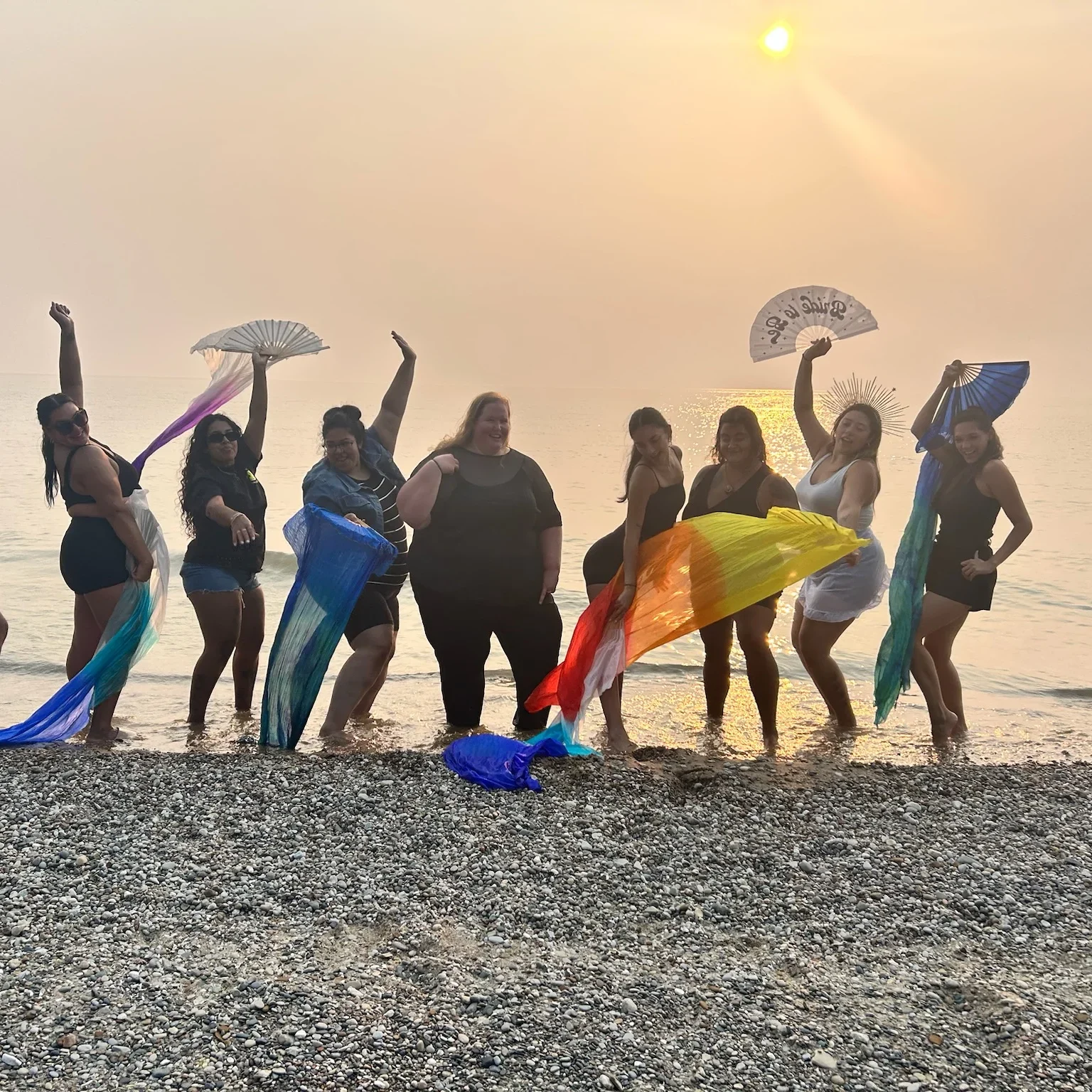
Chicago’s burlesque scene produced iconic performers. The most famous was Sally Rand, whose ostrich‑feather fan dance at the 1933 Century of Progress World’s Fair caused a sensation; wearing little more than fans and a smile, Rand’s dance was both a celebration of feminine grace and a rebuke to censors. Her popularity legitimized striptease as a theatrical act and inspired countless imitators across the country.
Nightlife, cabaret and jazz
Cabarets and “black‑and‑tan” clubs
While burlesque thrived in theaters, a different kind of entertainment flourished in Chicago’s saloons, supper clubs and speakeasies. Cabaret—an intimate blend of music, dance, social satire and audience interaction—arrived from Europe in the 1910s and quickly merged with American jazz.
In Bronzeville, on the South Side, so‑called black‑and‑tancabarets like the Club De Lisa and Cabin Inn welcomed racially mixed audiences. Third Coast Review notes that drag entertainers such as Jean LeRue and Dixie Lee performed at these clubs, and white patrons flocked to them even though segregation laws prevented reciprocal access to white clubs.
The combination of jazz bands, bawdy revue, drag and integrated dancing created a unique cultural stew. Clubs like the Sunset Café and Plantation Café hosted luminaries including Louis Armstrong, Earl Hines and Cab Calloway.
Prohibition and the cabaret crackdown
The eruption of World War I and the temperance movement galvanized moral reformers. In April 1918 Chicago’s city council passed an ordinance forbidding any “exhibition, show, amusement, cabaret [or] entertainment” in establishments selling alcohol.
Robert Loerzel describes this anti‑cabaret ordinance as a “war against fun”; it banned dancing and required saloons to obtain special permits for instrumental music. Police superintendent Herman Schuettler argued that prohibiting dancing would eliminate 90 percent of cabaret “evils”. Thousands of musicians and singers lost their jobs as cabarets shuttered or moved underground.
The law’s enforcement can be seen in the City of Chicago v. Green Mill Gardens case. The Green Mill Gardens, a popular Uptown cabaret, was sued in 1921 for allowing music and dancing after 1 a.m. in violation of the 1918 “Dry Cabarets” ordinance.
Court records show that Green Mill served food and soft drinks and provided professional singing and dancing until midnight; patrons then continued dancing to an orchestra until 2:30 a.m.. The ordinance defined any venue offering public entertainment as a “public place of amusement” and required it to close by 1 a.m., permitting longer hours only for select organizations with mayoral approval.
These restrictions forced many cabarets to operate as illicit speakeasies during Prohibition.
Speakeasies and gangsters
Chicago’s crackdown did not end nightlife; it drove it underground. Prohibition (1920–1933) spawned speakeasies and private clubs where patrons could drink, dance and watch performers away from police eyes.
The most famous example is the Green Mill in Uptown. Originally Pop Morse’s Roadhouse (1907), the site was transformed in 1914 when owner Tom Chamales built the lavish Green Mill Gardens with a Della Robbia dining room, 2 500‑seat outdoor gardens and nightly cabaret performances. During Prohibition, the lounge gained notoriety for gangster ties; the National Trust for Historic Preservation reports that Al Capone’s henchman Jack “Machine Gun” McGurn held partial ownership and was known for violently enforcing performer loyalty.
Despite these underworld connections, the club attracted stars like Billie Holiday, Al Jolson and Texas Guinan. Such speakeasies blurred the lines between burlesque, jazz, cabaret and organized crime.
After Prohibition’s repeal, the cabaret scene gradually moved north to Rush Street. Clubs like Mister Kelly’s, The London House and Mr. Kelly’s offered sophisticated supper‑club revues featuring rising stars such as Barbra Streisand, Bette Midler and Aretha Franklin.
Yet the golden age of Chicago cabarets was waning. In 1928 a federal crackdown on public alcohol consumption shuttered many venues, and strict state regulations after 1933 allowed officials to raid and close clubs deemed immoral.
Decline of classic burlesque
Striptease and moral panic
By the 1920s burlesque had largely abandoned its satirical roots. Competition for audiences pushed producers toward striptease, and by the early 1930s performers routinely removed clothing down to pasties and G‑strings. As the genre became more sexually explicit, male‑only audiences dominated theatres.
Local authorities launched frequent raids; some theatres were temporarily closed or forced to alter routines. Over time, the comedic sketches and ensemble numbers that once anchored burlesque shrank, leaving headliner strippers as the main draw.
The 1960s decline
Burlesque’s popularity ebbed after World War II. Cheap televisions and the rise of strip clubs eroded the audience base, and by the 1960s the sexual revolution and proliferation of pornography reduced the art form’s mystique. Chicagology notes that as sexual entertainment became less taboo and more accessible, traditional burlesque could not compete.
A cultural history project, Show & Tell: Records and Reflections on Burlesque in Chicago, underscores that audiences turned to adult magazines and films, leaving burlesque houses deserted. Many historic theatres switched to showing adult movies or closed entirely. The Gem Theatre ended operations around 1972; the Rialto was demolished; and strip clubs replaced the old burlesque district along South State Street. By the 1970s only a handful of burlesque performers remained, often relegated to novelty appearances.
Neo‑burlesque and modern cabaret renaissance
Revival and reinvention
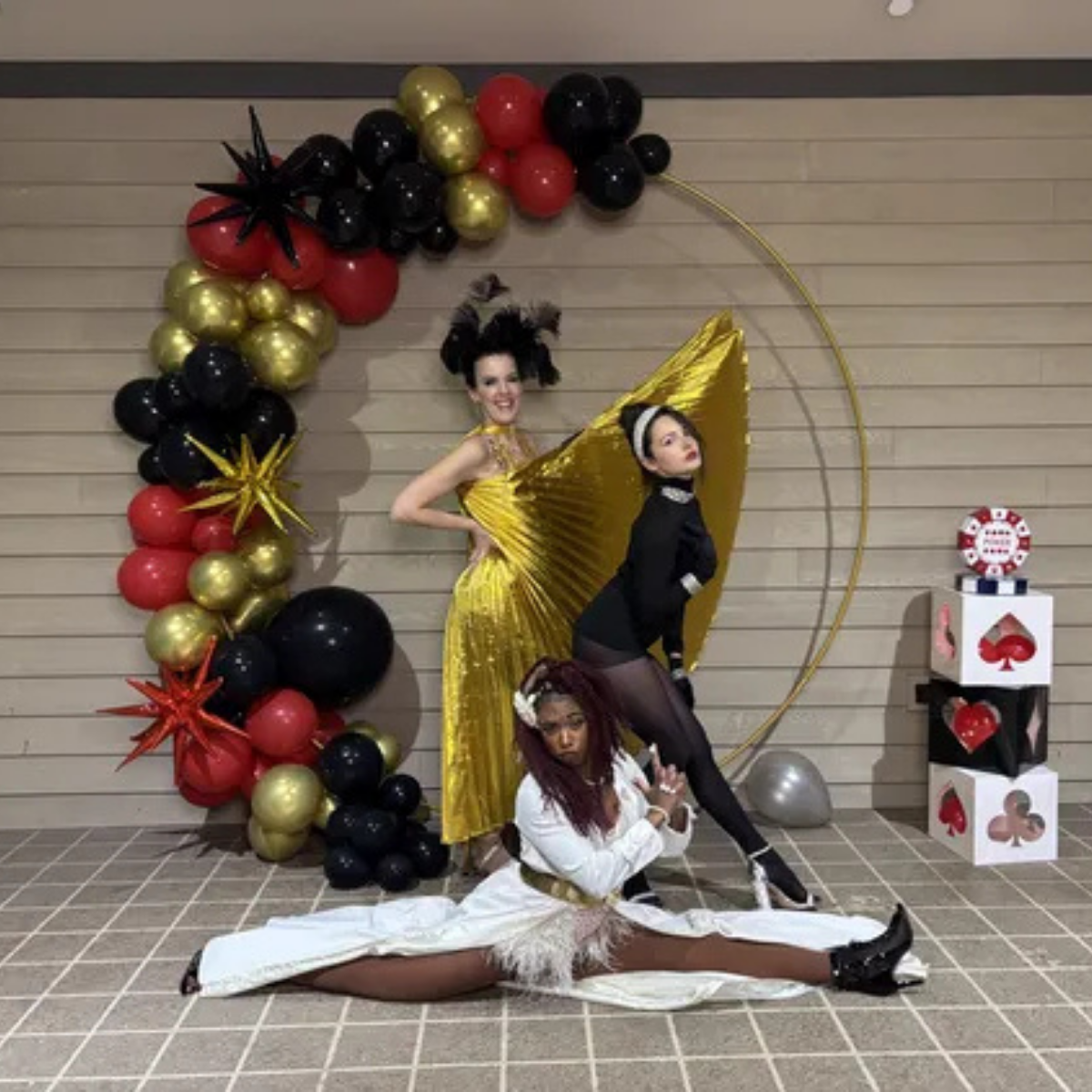
A renaissance began in the 1990s as performers and fans rediscovered burlesque’s theatricality, humor and sense of transgression. The neo‑burlesque movement embraced vintage costuming, elaborate choreography and tongue‑in‑cheek social commentary. Scholars describe it as a pro‑sex, feminist space that blends glamour, satire and empowerment.
Performers of all genders explore identity and sexuality, often incorporating drag, circus acts and spoken‑word. The same project notes that modern burlesque revels in masquerade and bodily freedom, challenging norms while honoring personal empowerment.
Chicago’s modern venues and producers
Chicago has been at the forefront of this revival. Venues such as Bordel (Wicker Park), Untitled Supper Club (River North) and the late Kiss Kiss Cabaret at Uptown Underground merge burlesque, vaudeville, drag, circus and immersive theater. These spaces evoke the speakeasy aesthetic with velvet décor, craft cocktails and cabaret stages. Performances range from classic fan dances to modern aerial acts, comedic neo‑burlesque numbers and drag revues.
One of the scene’s most influential companies is Vaudezilla Productions, founded by burlesque artist Red Hot Annie. Since 2008 Vaudezilla has produced weekly shows, large ensemble revues and the Chicago Burlesque Showcase, while offering classes that train aspiring performers. Annie, known for her inventive costuming and narrative striptease, has championed body positivity and the integration of neo‑burlesque with storytelling.
Vaudezilla’s long‑running show at Stage 773 combined sketch comedy with burlesque, illustrating the continued interplay between comedic tradition and sensual spectacle. Many of Chicago’s neo‑burlesque performers—such as Bazuka Joe, Gaea Lady, and Ray Gunn—have won awards at festivals across the country, underscoring the city’s importance in the modern burlesque landscape.
Cross‑pollination with drag and cabaret
Modern Chicago burlesque remains deeply intertwined with drag, comedy and circus. Drag queens host burlesque nights; aerialists perform to jazz standards; and comedians incorporate striptease into stand‑up sets. This blending echoes the early twentieth century, when drag began as a physical bit in vaudeville before evolving into an art form that served queer communities and used camp satire to critique society. Neo‑burlesque’s embrace of gender fluidity and audience participation continues that tradition.
The city also boasts immersive cabaret experiences like Teatro Zinzanni, where acrobats, singers and comedians perform during multi‑course dinners, and The Den Theatre’s cabaret programming. These shows cater to diverse audiences, from tourists seeking vintage glamour to locals celebrating nightlife milestones.
Burlesque Classes in Chicago →
Chicago’s lasting influence
Chicago’s burlesque and cabaret history mirrors the city’s broader story: a place of innovation, competition, reform and resilience. The early combination of dime museums and vaudeville houses created a mass entertainment industry that exported stars nationwide. The concentration of burlesque theatres along State and Madison Streets fostered a unique style that balanced humor with sensuality. Jazz‑infused cabarets and black‑and‑tan clubs broke racial barriers, while Prohibition and vice laws forced performers to adapt and resist.
The sexual revolution, feminist movements and queer culture all reshaped burlesque, culminating in a vibrant neo‑burlesque scene that honors tradition while pushing boundaries. Today’s performers—inspired by Sally Rand’s grace, the Green Mill’s bootleg glamour and Bronzeville’s drag pioneers—continue to evolve the art form for new audiences.
Experience Chicago Burlesque Today
Chicago burlesque is not just history. It is still alive in cabaret rooms, immersive speakeasies, variety shows, private events, and modern theatrical productions across the city.
Explore upcoming Chicago Burlesque Shows, enter The Pink Hotel, or begin with What Is Burlesque? if you are discovering the art form for the first time.